Prototype to first sale

Make it.
Then sell it.

A practical, no-hype field guide for product creators choosing where to sell, planning a first run, and building an operation that can keep its promises.

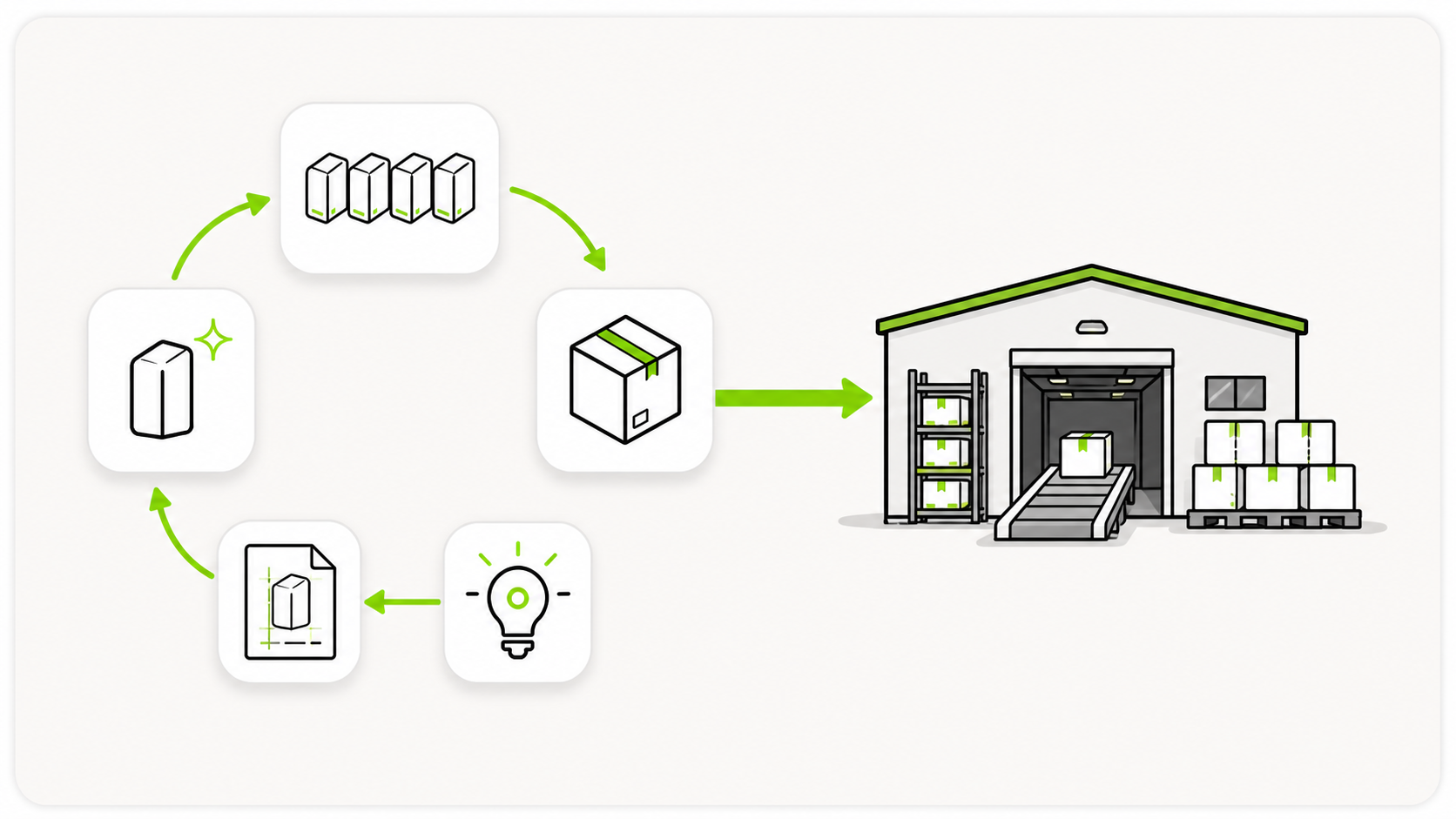
An illustrated product journey from prototype through production to customer
Choose the sales promise and production plan together.

Getting something made

Guides on files, materials, design, quoting and production — for anyone getting a custom part made. Odds are your question is already in here.

Still not sure? Just ask.

Send a file, a sketch, or a photo. A person reviews it and replies the same business day — Monday to Friday, 9am–5pm Eastern. Prefer to search? The Help Center has the same answers in question form.

Start with the business model

Choose the promise you can keep.

Reach is only one variable. Compare when you get paid, who owns the customer relationship, how orders are fulfilled, and what buyers expect before choosing.

Channel Useful when Inventory model Main advantage Watch closely
Amazon dropshipping You have a dependable supplier and standardized product Supplier ships only after an order Large existing audience Seller-of-record rules, margins, stock accuracy, returns
Kickstarter A compelling new product needs a defined first production run Backers fund before fulfillment Demand validation and launch story Public delivery promise, campaign costs, scope creep
Etsy Your product is distinctive, designed, made, or curated within policy Made to order or stocked Discovery for niche products Eligibility, listing quality, fees, production-partner disclosure
Walmart Marketplace You have proven catalog, fulfillment, pricing, and service operations Seller or Walmart fulfillment High-intent marketplace reach Approval, performance standards, integration readiness
eBay You want flexible listing formats or a market for specialized goods Stocked or made to order Broad categories and pricing formats Item specifics, shipping terms, returns, seller standards

Marketplace rules, fees, and eligibility change. Confirm current terms with each platform before listing or committing inventory.

Getting-started field guides

Five routes, five different operating plans.

Use these as planning checklists, then verify every account-specific requirement with the platform.

Marketplace + supplier fulfillment

Amazon dropshipping

Best fit: repeatable products, accurate supplier inventory, and enough margin to absorb marketplace costs and returns.

Before you open the listing

  • Confirm the model complies with Amazon's current dropshipping policy.
  • Remain the clearly identified seller of record on packing slips, invoices, and external packaging.
  • Choose a supplier that can meet handling times, neutral packaging, tracking, and return requirements.
  • Calculate unit economics after referral fees, refunds, advertising, support, and replacement shipments.

First practical steps

  1. Validate demand and competition without copying protected content.
  2. Order samples and inspect the actual product and packaging.
  3. Create accurate identifiers, specifications, images, claims, and inventory rules.
  4. Start with a controlled catalog and daily stock reconciliation.
  5. Track late shipments, cancellations, defects, and return reasons.
Read Amazon's official dropshipping guide

Crowdfunding

Kickstarter

Best fit: a clearly demonstrated new product, a reachable audience, and a production plan that can withstand surprises.

Before you set a funding goal

  • Build and test a real prototype; label renders and simulations honestly.
  • Get current quotes for tooling, units, packaging, freight, fulfillment, and taxes.
  • Add campaign fees, failed pledges, replacements, and a realistic contingency.
  • Limit reward variations so color, size, and add-on combinations do not overwhelm production.

First practical steps

  1. Define the minimum viable production run and delivery scope.
  2. Grow an audience before launch and test the story with target buyers.
  3. Create a transparent timeline with supplier and inspection milestones.
  4. Prepare campaign media, FAQ answers, updates, and a fulfillment data plan.
  5. Communicate delays early and avoid promising dates suppliers have not supported.
Read the official Kickstarter Creator Handbook

Creative marketplace

Etsy

Best fit: distinctive products with a clear creative story and a production model that fits Etsy's current marketplace standards.

Before you publish

  • Confirm the product and its creation process are eligible under current policy.
  • Disclose qualifying production partners and describe your design role accurately.
  • Photograph the real product, scale, variations, packaging, and important details.
  • Set processing times that reflect fabrication, finishing, inspection, and seasonal load.

First practical steps

  1. Research the words buyers use and define a focused initial collection.
  2. Write specific titles and descriptions without unsupported performance claims.
  3. Price materials, labor, packaging, fees, returns, and rework.
  4. Create a repeatable personalization and proof-approval workflow if offered.
  5. Use questions and reviews to improve instructions, fit, packaging, and variants.
Visit the official Etsy Seller Handbook

Curated marketplace

Walmart Marketplace

Best fit: established sellers with competitive products, reliable inventory, fast fulfillment, and disciplined customer service.

Before you apply

  • Prepare business, tax, catalog, marketplace, and fulfillment information requested in the application.
  • Confirm identifiers, safety documentation, category requirements, and brand authorization.
  • Model pricing after referral fees, shipping, promotions, returns, and service costs.
  • Choose how orders, inventory, tracking, cancellations, and refunds will synchronize.

First practical steps

  1. Apply with accurate operational history and a focused, compliant catalog.
  2. Clean product data: identifiers, attributes, images, dimensions, weights, and claims.
  3. Test integrations and shipping templates before activating inventory.
  4. Launch manageable quantities and monitor performance standards closely.
  5. Expand only after inventory and support remain accurate under load.
Review Walmart Marketplace's official requirements

Broad marketplace

eBay

Best fit: specialized, collectible, replacement, or general products that benefit from flexible fixed-price or auction formats.

Before you list

  • Select the right category and study sold—not only active—listings.
  • Document exact condition, dimensions, compatibility, included items, and known limitations.
  • Choose fixed price or auction based on demand and price certainty.
  • Pack and weigh the finished shipment before setting delivery cost and handling time.

First practical steps

  1. Create a complete seller profile, policies, and return process.
  2. Use original images and precise item specifics buyers can filter.
  3. List a controlled quantity and preserve stock for active orders.
  4. Upload valid tracking promptly and answer compatibility questions carefully.
  5. Review impressions, conversion, returns, and defects before duplicating listings.
Visit the official eBay Seller Center

Beyond the big five

Other paths can fit better.

Mix channels deliberately. Keep inventory, pricing, customer promises, and product revisions consistent wherever buyers find you.

Direct online store

Own the brand experience and customer relationship. You also own traffic acquisition, checkout, taxes, fraud controls, fulfillment, accessibility, privacy, and support.

Shopify's store guide

Wholesale marketplaces

Reach independent retailers with case packs, wholesale pricing, lead times, samples, and retailer-ready packaging. Confirm each platform's current fees and terms.

Faire for brands

B2B or local retail

Sell directly to businesses or nearby stores through samples, line sheets, purchase orders, and clear reorder terms. Reliability and relationships can matter more than traffic.

Prepare your operations ↓

Licensing

Let another company manufacture or sell defined intellectual property under a negotiated agreement. Get qualified legal help on ownership, territory, quality, royalties, and termination.

USPTO IP resources

Preorders

Collect orders before inventory arrives only when timing, cancellation, refund, and delay terms are conspicuous. Protect preorder funds needed for refunds and fulfillment.

Build a delivery plan ↓

Production readiness

A listing cannot fix an unfinished product.

Before you promise quantity or a ship date, turn the working prototype into a controlled, costed, inspectable product.

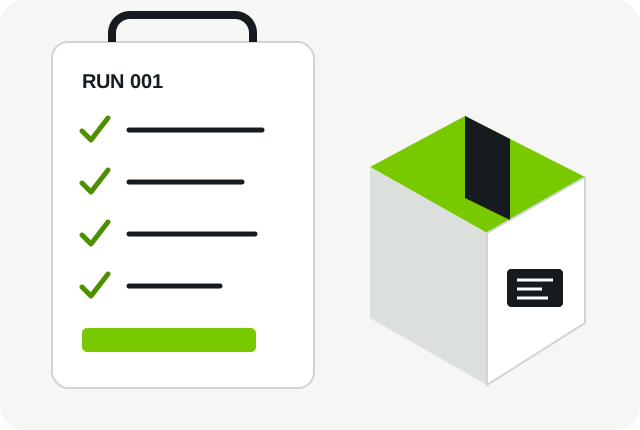
A technical checklist beside a packaged production part

Production handoff checklist

  • Revision: approved CAD, drawings, and a single revision identifier
  • Requirements: material, finish, color, tolerances, and intended use
  • Validation: fit, function, safety, durability, and user testing as applicable
  • Quantity: sample, pilot, first-run, and reorder quantities
  • Quality: measurable inspection criteria and an agreed defect process
  • Packaging: protection, labels, dimensions, weight, and unboxing needs
  • Economics: landed cost, channel fees, support, returns, and contingency
  • Schedule: production, inspection, freight, receiving, and launch buffers
  • Compliance: claims, testing, warnings, marks, and records for your product and markets

Have a prototype, CAD file, drawing, or target quantity?

Start a 7Fabs quote Explore manufacturing capabilities →

Frequently asked questions

Plan the launch and the part together.

Short answers for the decisions that usually come before a first production run.

Which sales channel should I start with?

Start where you can learn with the least irreversible cost. A direct store gives you control, Etsy can validate a distinctive product, Kickstarter can fund a defined first run, and larger marketplaces can add reach once operations are repeatable.

Do I need production inventory before I launch?

Not always. Preorders and crowdfunding can validate demand before a full run, but you still need a tested prototype, realistic supplier quotes, a delivery plan, and enough contingency for defects, freight, and delays.

What is a production-ready design?

It is a controlled design package with approved geometry, materials, tolerances, finishes, assembly requirements, packaging needs, inspection criteria, and a revision that both buyer and manufacturer can identify.

Can 7Fabs choose or manage a marketplace for me?

7Fabs focuses on design support, prototyping, fabrication, and short-run manufacturing. This guide helps you evaluate sales paths, but you remain responsible for marketplace accounts, claims, fees, taxes, compliance, fulfillment, and customer service.

How should I estimate a safe selling price?

Include the finished product, rejects, packaging, inbound and outbound freight, marketplace and payment fees, storage, returns, support, taxes where applicable, and a contingency. Recalculate with current quotes before every production commitment.

When should I request a manufacturing quote?

Request one when you can share the latest CAD or drawings, target material and finish, quantities, intended use, and desired date. Early quotes can compare processes; a final quote should use the exact approved revision.

Ready to turn the plan into real parts?

Share your latest files, intended use, quantity, finish, and timing. A real person will review the project.

Upload CAD and start a quote